Types of Ice in Mixology: A Comprehensive Guide
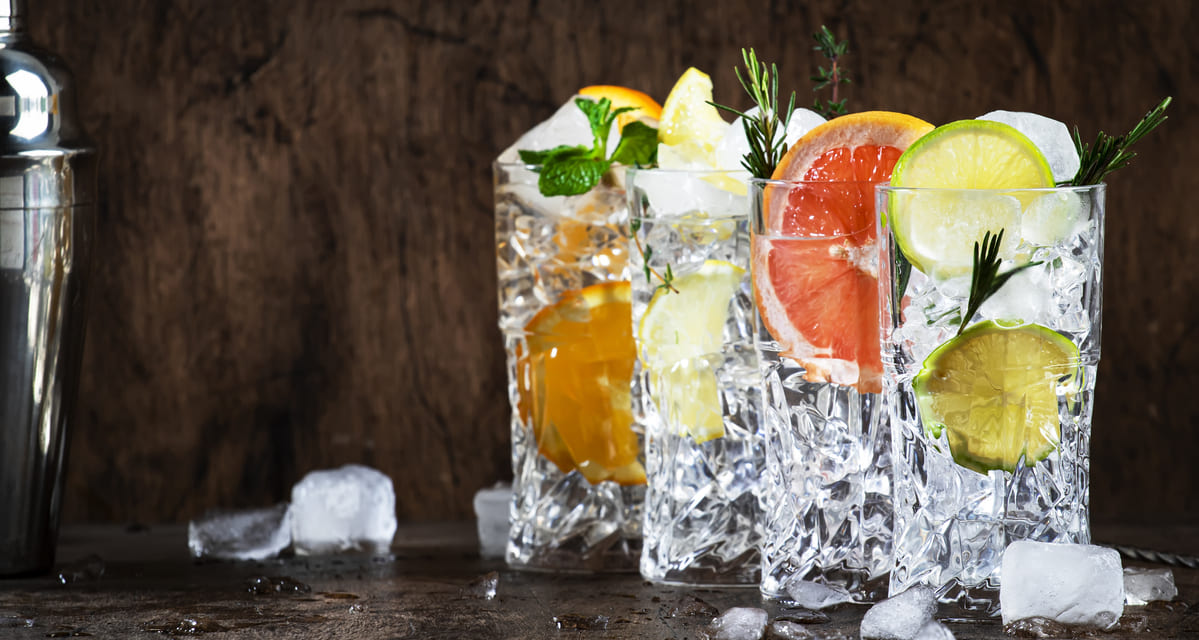
The types of ice in mixology are the main forms of ice used to chill drinks, control dilution and define the final cocktail experience.
Choosing the right ice is not a matter of aesthetics, but of technique. The same cocktail can change completely depending on the type of ice used, affecting its balance, texture and presentation.
Here at Icetech, we explain the main formats used in the world of mixology so that you know how to choose the right type to maintain a cocktail’s balance.
Why does ice have such a significant influence on cocktails?
In practice, ice primarily influences these three variables: temperature, dilution and texture. Furthermore, these do not occur independently.
When ice comes into contact with the drink:
● It cools the liquid.
● It melts and adds water.
● It alters the mouthfeel.
These processes cannot be separated. The faster ice cools, the faster it usually melts. Therefore, the type of ice determines how the cocktail evolves from the very first moment.
In the preparation of drinks and culinary creations, controlling factors such as temperature and dilution is key to the final result. Institutions such as the Basque Culinary Center highlight the importance of these elements in consumer experience.
Types of ice in mixology and their practical use
In professional mixology, not all types of ice are used equally. The choice depends on the type of drink and the desired result.
Ice cubes
This is the most used format in the hospitality industry and the basis for most services. Its regular shape and density allow for a relatively stable balance between cooling and dilution, making it ideal for most mixed drinks.
It is commonly used in:
● Gin and tonics.
● Mixed drinks with soft drinks.
● Classic cocktails served with ice.
The difference lies not only in the shape, but also in the quality of the cube. A more compact ice cube, with less air inside, melts more slowly and better maintains the stability of the drink.
Granular ice
Granular ice is used when rapid cooling is required and it needs to blend into the drink. As it has a large surface area, it will melt faster than a cube, increasing dilution.
In certain cocktails, this is part of the intended result. Two examples are mojitos and caipirinhas, where the ice ends up forming part of the drink’s texture.

Nugget ice
Nugget ice is a format halfway between a cube and crushed ice. It consists of small, compacted pieces that are softer and more porous.
It cools quickly and offers more controlled dilution than crushed ice, though less so than a compact cube.
It is used in:
● Long cocktails.
● Refreshing drinks.
● More casual or high-volume cocktail concepts.
It also offers a different drinking experience, as it is easier to chew and blends naturally into the drink.
How to choose the type of ice according to the drink
There are no universal rules, but we can take certain factors into account. The main one is: how we want the cocktail to develop.
When we want a drink to remain stable, with minimal dilution, such as a classic mixed drink, ice cubes are the best option. They will maintain the temperature without rapidly altering the flavour.
If the aim is to chill quickly and create a lighter, easier-to-drink beverage, crushed ice is the most effective option, although it does result in greater dilution.
Finally, nugget ice is the middle ground. It is useful if we want rapid cooling without losing control over dilution, whilst providing a texture that blends with the drink.
Common mistakes when using ice in mixology
One of the most common mistakes is using the same type of ice for all drinks. This simplifies service but reduces the quality of the final result.
It is also common to use low-density ice, which melts faster and causes excessive dilution. At first glance, this may seem acceptable, but it directly affects the balance and flavour of the cocktail.
Another common mistake is failing to consider the quality of the water. Ice containing impurities not only loses its clarity but can also alter the flavour of the drink without the source being easily identified. Icetech water filtration kits provide high-quality water.
What characteristics should good ice have?
Although we have seen that there are different types of ice used in mixology and that each suits a particular type of drink best, there are characteristics common to high-quality ice.
● Compact and with low air content.
● Stable over time, without melting unevenly.
● Neutral in taste and smell.
● Visually clear, without excessive cloudiness.
With these four basic points, we can work with different cocktails whilst ensuring the flavour remains unchanged.
Frequently asked questions about types of ice in mixology
Below, we have compiled some of the most common queries regarding the types of ice used in mixology to address them.
Why does the ice last longer without melting in some bars?
Because they use denser, more compact ice cubes, with less air inside. This means the ice melts more slowly and keeps the drink at the right strength without diluting it too much.
Can crushed ice be used for any drink?
It is not recommended. It works well in refreshing cocktails, but in mixed drinks or beverages where stability is required, it can cause excessive dilution.
Does ice affect the flavour or just the temperature?
It affects both. It not only cools, but also adds water as it melts. Furthermore, if it is not of good quality, it can impart unwanted flavours.
Why are some ice cubes clear and others white?
It depends on how the water is frozen. Clearer ice cubes usually contain less air and impurities, making them more stable and better suited for mixology.
Is it worth investing in a dedicated cocktail ice machine?
Yes, especially in businesses where the volume or quality of service requires a professional result. This allows for better control over the type of ice and maintains the right consistency in all drinks.
The types of ice used in mixology refer to the different formats of ice (mainly cubes, crushed ice and nuggets) used to chill drinks and control their dilution.
Each type of ice behaves differently: ice cubes offer greater stability, crushed ice cools quickly with greater dilution, and nuggets provide a middle ground along with a more integrated texture.
If you need a professional ice machine for your business and would like us to help you choose one, contact us.